
There is a uniquely demoralizing emotional weight that accompanies adult hormonal acne. After surviving the turbulent skincare trials of adolescence, watching angry, deep-seated blemishes reappear across your jawline, chin, and neck in your twenties and thirties feels like a betrayal. Unlike teenage acne, which predominantly clusters across the forehead, nose, and upper cheeks due to general puberty-related sebum surges, adult female hormonal acne operates under completely different endocrinological rules. These are rarely surface whiteheads that resolve in forty-eight hours; they manifest as deep, throbbing, non-inflamed nodules or tender cysts buried beneath layers of dermal tissue. Slathering them in harsh drying lotions or burning alcohol-based astringents only succeeds in destroying your stratum corneum, creating a disastrous cycle of flaking, redness, and even more violent rebound breakouts. This comprehensive guide details the modern dermatological strategy: rebalancing androgen sensitivity, clearing pores from within, and restoring your moisture barrier to radiant, resilient clarity.
Essential Principles
- The U-Zone Receptor Phenomenon: Sebaceous glands clustered along the jawline and chin possess significantly higher densities of androgen receptors compared to the T-zone.
- The Azelaic Acid Gold Standard: 10% to 15% azelaic acid is the premier multi-tasker: it neutralizes Cutibacterium acnes, suppresses tyrosinase, and soothes inflammatory erythema without peeling.
- Barrier Preservation is Priority #1: Over-stripping the acid mantle accelerates sebum oxidation and microcomedone formation; a healthy lipid barrier is non-negotiable for clearing acne.
- The Diet-Insulin Axis: High glycemic index meals trigger insulin surges that increase free circulating IGF-1, supercharging sebum viscosity and clogging follicular ducts.
- PIE vs. PIH Distinction: Red marks on light skin are vascular (Post-Inflammatory Erythema), requiring soothing anti-inflammatories; brown marks are melanocytic (Post-Inflammatory Hyperpigmentation), requiring pigment inhibitors.
The Endocrinology of the 'U-Zone': Why Breakouts Target the Jawline
To conquer hormonal acne, one must first demystify the endocrinological cascade taking place within the body. In adult females, blemishes rarely erupt randomly across the face; they consistently follow the distinct architectural contour of the 'U-Zone'—encompassing the angle of the jaw, the chin, the perioral area, and upper neck. This is not coincidental; it is genetically and hormonally predetermined.
Sebocytes (the cells that synthesize and excrete sebum) in the lower third of the face express an extraordinarily high density of androgen receptors. During the latter half of the menstrual cycle—specifically the luteal phase occurring 7 to 10 days before menstruation—estrogen levels experience a precipitous drop. Simultaneously, progesterone peaks, and the relative ratio of bioavailable androgens (testosterone and its ultra-potent metabolite, dihydrotestosterone or DHT) increases.
When DHT binds to these abundant androgen receptors on jawline sebocytes, it activates intracellular signaling pathways that trigger two catastrophic events: first, sebaceous hyper-secretion (producing massive volumes of thick, waxy oil), and second, follicular hyper-keratinization (an overproduction of sticky, dead skin cells lining the pore wall). Instead of shedding smoothly onto the skin's surface, these dead corneocytes clump together in the presence of sticky sebum, creating an invisible, oxygen-deprived plug known as a microcomedone.
Track your breakouts on a calendar alongside your cycle. Recognizing that your flare-up is tied to the luteal phase empowers you to begin preventative soothing skincare 7 days before bumps surface.
The Cascade of Inflammation: Deep Nodules vs. Surface Pustules

Why do hormonal blemishes feel so vastly different from teenage pimples? While surface breakouts respond well to traditional cleansers (as explored in our complete guide to acne solutions and clear skin), deep hormonal nodules require an entirely distinct biochemical strategy. Surface blemishes occur within the superficial portion of the follicular infundibulum, resulting in quick-forming whiteheads or blackheads that come to a head within 48 hours. Hormonal cysts, however, develop deep within the reticular dermis.
Deprived of oxygen by the dense microcomedone plug, Cutibacterium acnes bacteria proliferate rapidly, consuming sebum triglycerides and releasing lipases that break them down into irritating free fatty acids. Furthermore, squalene—a natural component of human sebum—becomes readily oxidized under inflammatory stress into squalene peroxide, which acts as a powerful inflammatory megaphone.
As pressure mounts within the deep follicle wall, the microcomedone ruptures internally beneath the epidermis, spilling keratin, bacterial proteins, and lipid debris directly into the surrounding dermal tissue. The immune system detects this as a foreign invasion, launching a massive wave of neutrophils, macrophages, and inflammatory cytokines (IL-1 alpha, TNF-alpha). The result is an intensely painful, tender, swollen red nodule that sits beneath the surface with no opening or 'head'. Squeezing or picking this lesion will never extract anything; it will only force the inflammatory material deeper into adjacent tissues, creating secondary cysts and catastrophic post-inflammatory scarring.
Dermatological Golden Rule: Never squeeze a blind cyst. Doing so ruptures the follicle walls horizontally into the surrounding collagen matrix, transforming a 7-day blemish into an irreversible pitted atrophic scar.
The Azelaic Acid (15%) Evidence-Based Active: The Multi-Targeted Hero
While benzoyl peroxide and topical clindamycin have reigned as standard acne recommendations for decades, both come with severe liabilities: benzoyl peroxide causes extreme barrier dryness, generates free-radical oxidative stress, and bleaches clothing; topical antibiotics risk bacterial resistance and disrupt the healthy facial microbiome. Today, leading dermatologists consider Azelaic Acid (at clinical concentrations of 10% to 15%) to be the premier gold standard for adult female hormonal acne.
Azelaic acid is a naturally occurring dicarboxylic acid produced by the yeast Malassezia furfur. Its pharmacological versatility is truly unmatched in modern cosmetic dermatology:
- Potent Antimicrobial Action: It actively penetrates the bacterial cell wall of Cutibacterium acnes and inhibits protein synthesis, reducing bacterial density without ever inducing antibiotic resistance.
- Gentle Keratolytic Normalization: It normalizes cellular differentiation within the follicular canal, preventing abnormal corneocyte clumping and dissolving existing microcomedones from the inside out.
- Profound Anti-Inflammatory Effects: It scavenges free radicals and suppresses neutrophil-generated reactive oxygen species, visibly dialing down the angry redness and throbbing pain of hormonal cysts within hours.
- Tyrosinase Inhibition: Unlike other acids, azelaic acid selectively targets hyperactive melanocytes, inhibiting the enzyme tyrosinase to prevent and fade both red (erythema) and brown (hyperpigmentation) post-acne marks.
Azelaic acid is one of the few clinical actives completely approved for use during pregnancy and breastfeeding, making it the safest long-term maintenance treatment for adult women.
Salicylic Acid (BHA) & Retinoid Cycling: Precision Exfoliation
To complement the anti-inflammatory power of azelaic acid, your evening regimen requires precision exfoliation designed to keep follicular pathways permanently clear. This is achieved by combining lipid-soluble Salicylic Acid (2% BHA) with a stabilized retinoid (such as encapsulated Retinaldehyde or prescription Adapalene 0.1%).
Alpha-hydroxy acids (like glycolic or lactic acid) are water-soluble; they work beautifully on the surface of the skin to smooth rough texture, but they cannot penetrate through sebum. Salicylic acid, however, is oil-soluble. It effortlessly slips through oily sebum directly into the depths of the pore, dissolving oxidized lipid debris and loosening intercellular desmosomes that bind dead cells together.
Retinoids, on the other hand, operate at the genetic level inside cellular nuclei. By binding to retinoic acid receptors (RAR), they signal follicular lining cells to shed in an organized, rapid, and non-sticky fashion, permanently preventing the formation of microcomedones. To avoid irritation, adopt a Skin Cycling Protocol: Evening 1 is Exfoliation Night (2% BHA), Evening 2 is Retinoid Night, and Evenings 3 and 4 are Recovery Nights dedicated purely to ceramides and barrier replenishment.
The Moisture Barrier Paradox: Why Stripping Your Skin Worsens Acne
The single greatest mistake made by individuals battling acne is treating their skin like a greasy kitchen skillet that needs to be scorched with harsh detergents. When you use high-pH foaming soaps and abrasive acids simultaneously, you strip away essential barrier lipids (read our expert skincare tips for dry and compromised skin for deep barrier recovery), you strip away the protective intercellular lipid matrix composed of ceramides, cholesterol, and free fatty acids.
A compromised stratum corneum suffers from elevated Transepidermal Water Loss (TEWL). In a desperate bid to defend itself against dehydration and bacterial invasion, the skin's feedback loop triggers compensatory hyper-seborrhea: the sebaceous glands go into overdrive, pumping out massive quantities of thick, emergency sebum to coat the parched surface. This secondary oil spike, mixed with flaking, microscopic pieces of damaged skin, clogs pores with catastrophic speed.
Furthermore, an acidic pH (ideally 4.7 to 5.5) is required to sustain the natural antimicrobial peptides (defensins and cathelicidins) that keep acne bacteria in check. When the acid mantle is destroyed by high-pH cleansers, C. acnes multiplies completely unchecked. Healing acne requires rebuilding your barrier with calming panthenol (provitamin B5), madecassoside (centella asiatica), and physiological ceramides.
The Diet-Insulin-IGF-1 Axis: Calming Hormones from Within
While topical products manage local follicular events, hormonal acne is ultimately ignited by systemic biological signals circulating through your bloodstream. Chief among these is the Insulin-IGF-1 (Insulin-like Growth Factor 1) Axis.
When you consume refined carbohydrates, high-glycemic sugars, or processed foods, your blood glucose spikes, prompting the pancreas to release an avalanche of insulin. Elevated insulin stimulates the liver to produce IGF-1. Together, insulin and IGF-1 activate mTORC1, a central cellular nutrient-sensing complex that directly commands sebocytes to synthesize more sebum and induces follicular cells to hyper-proliferate.
Furthermore, conventional cow's dairy (particularly skim milk and whey protein powders) contains naturally occurring bovine growth factors and insulin secretagogues that stimulate this pathway with extreme potency. Transitioning to an anti-inflammatory, low-glycemic dietary lifestyle rich in colorful phytonutrients, omega-3 fatty acids (wild salmon, chia seeds), and zinc dramatically blunts this hormonal spike.
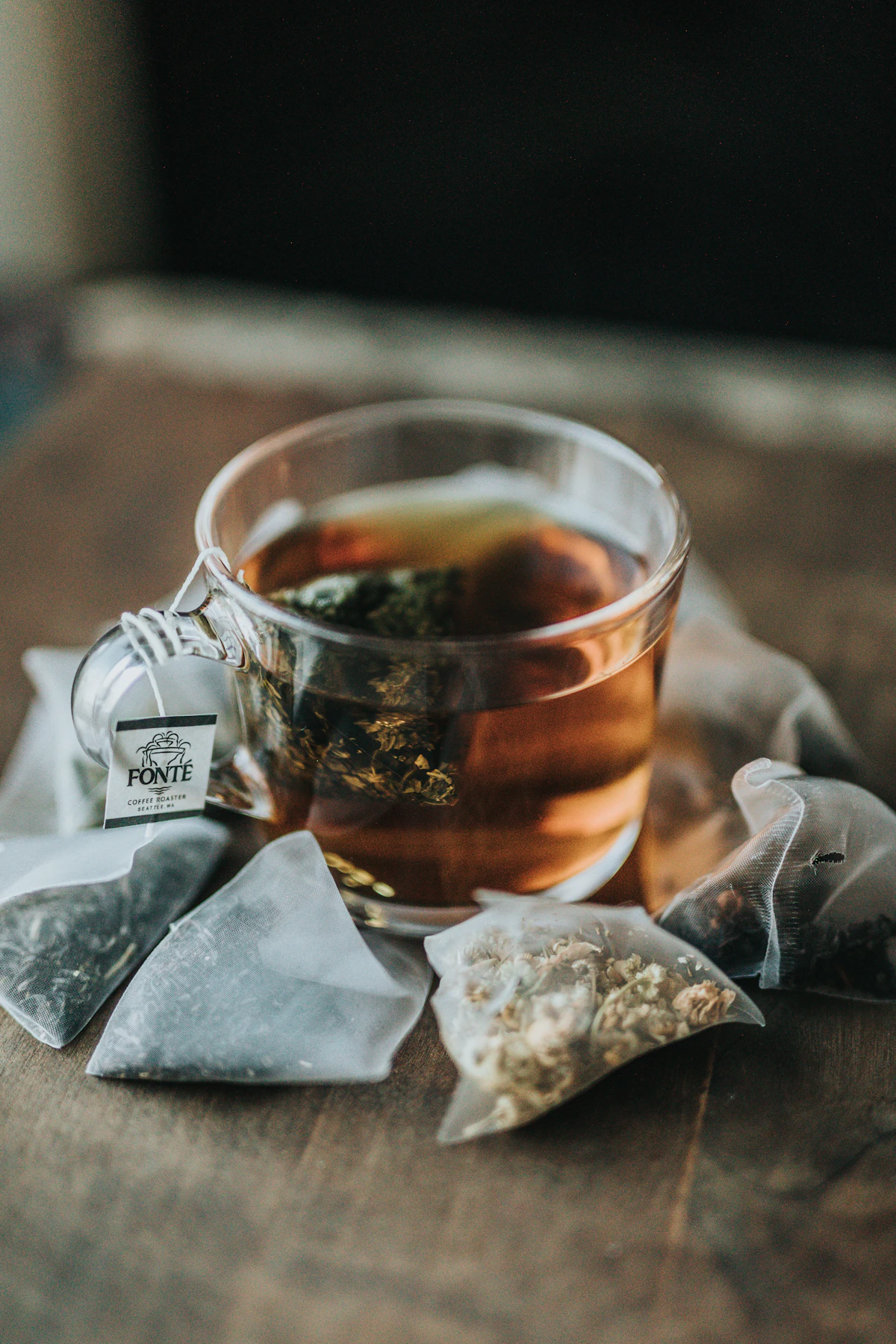
The Spearmint Tea Ritual: A fascinating body of clinical literature has highlighted the therapeutic value of organic spearmint tea (Mentha spicata). Clinical studies demonstrate that consuming two cups of brewed spearmint tea daily exhibits mild natural anti-androgenic properties, significantly lowering free testosterone in adult females without altering overall estrogen or LH balance.
Eradicating Post-Acne Marks: Post-Inflammatory Erythema (PIE) vs. Hyperpigmentation (PIH)
For many, the true emotional distress of acne begins after the active cyst has flattened, leaving behind stubborn, discolored spots that linger for months. Successfully clearing these marks requires diagnosing whether you are dealing with PIE or PIH, as their treatments are radically different:
- Post-Inflammatory Erythema (PIE): Characterized by pink, red, or purple marks. It is vascular in nature, representing damaged, dilated, or proliferating microscopic capillary loops directly beneath the epidermis resulting from intense inflammation. It is predominantly seen in lighter skin tones (Fitzpatrick I-III).
Treatment: Vascular soothers. Topical Tranexamic Acid (3% to 5%), Niacinamide (4%), Centella Asiatica, and Azelaic Acid. AHAs and abrasive scrubs will only aggravate capillary dilation and worsen PIE. - Post-Inflammatory Hyperpigmentation (PIH): Characterized by brown, grayish, or dark spots. It is melanocytic in nature, caused by inflammatory signals that over-stimulate melanocytes to dump excess melanin pigment into the surrounding keratinocytes. It is frequently seen in deeper, melanin-rich skin tones (Fitzpatrick IV-VI).
Treatment: Tyrosinase inhibitors and gentle pigment blockers: Alpha Arbutin, Kojic Acid, Azelaic Acid, stabilized Vitamin C, and daily broad-spectrum SPF 50+.
The Universal Mandate: Daily Broad-Spectrum Sunscreen: Ultraviolet A (UVA) and Ultraviolet B (UVB) radiation penetrate deeply into healing skin, stimulating melanogenesis and oxidizing hemoglobin. Exposing a healing blemish to sunlight without sunscreen fixes the mark permanently into the dermis. A non-nano zinc oxide mineral sunscreen with SPF 50+ PA++++ is the single most critical daily step to erase post-acne marks.
The Dermatologist-Curated Daily Master Protocol: AM & PM Blueprint
Transforming complex science into an effortless, reproducible daily routine is the key to lasting skin health, following the principles in our ultimate guide to radiant skin for every skin type. Here is your dermatologist-curated master protocol:
Morning Routine (Defend & Soothe):
- Gentle Cleanse: Wash with lukewarm water or a half-pump of a non-foaming hydrating amino-acid gel cleanser (pH 5.5).
- Antioxidant & Blemish Control: Apply 2 to 3 pumps of 10% to 15% Azelaic Acid across the entire face and jawline.
- Barrier Hydration: Layer a lightweight, oil-free gel-cream containing Ceramides, Panthenol (Pro-Vitamin B5), and Hyaluronic Acid.
- Mineral Shield: Finish with a liberal application (two finger lengths) of a soothing, broad-spectrum non-nano Zinc Oxide mineral SPF 50+.
Evening Routine (Cleanse, Correct & Repair):
- Oil/Balm First Cleanse: Massage a gentle, emulsifying cleansing balm over dry skin for 60 seconds to dissolve waterproof mineral SPF and oxidized sebum plugs. Rinse cleanly with lukewarm water.
- Water-Based Second Cleanse: Cleanse with a mild foaming gel cleanser to wash away residual impurities.
- Active Treatment (Skin Cycling): Cycle your evenings: Night 1 (2% Salicylic Acid BHA), Night 2 (Encapsulated Retinaldehyde 0.05%), Nights 3 & 4 (Rest & Recovery with pure Centella and Ceramide soothing serums).
- Moisture Seal: Apply a rich barrier cream infused with Ceramide NP, Squalane, and Madecassoside to lock in moisture while you sleep.
Key Actives & Formulation Science
| Active Ingredient | Mechanism & Clinical Action | Optimal Skin Type |
|---|---|---|
| Azelaic Acid (10% - 15%) | Multifunctional dicarboxylic acid that neutralizes C. acnes, stops follicular clogging, and suppresses tyrosinase | Hormonal Cysts, Redness & PIE Marks |
| Salicylic Acid (2% BHA) | Lipid-soluble beta-hydroxy acid that penetrates sebum to dissolve microcomedone plugs deep inside pores | Congested Pores & Blackheads |
| Madecassoside & Asiaticoside (Centella Asiatica) | Bioactive triterpenoids that surge collagen synthesis and rapidly suppress pro-inflammatory cytokines | Throbbing Cysts & Damaged Skin Barriers |
| Zinc PCA | Synergistic zinc salt of L-pyrrolidone carboxylate that regulates sebaceous excretion and speeds healing | Excess Oiliness & Inflamed Lesions |
| Tranexamic Acid (3% - 5%) | Inhibits plasmin-induced melanogenesis and calms abnormal microvascular capillary dilation | Stubborn Red & Dark Post-Acne Spots |
Common Mistakes to Avoid
Attempting to Pop Blind Cysts
Hormonal cysts do not have a follicular opening to the surface. Squeezing forces bacteria and inflammatory debris sideways into deep dermis, creating severe infection and atrophic scarring.
Using High-Alcohol Drying Lotions
Applying harsh astringents burns the surrounding stratum corneum, causing intense peeling without touching the subsurface inflammation. This triggers massive rebound oil production.
Skipping Daily Sunscreen
Believing that sun exposure 'dries out pimples' is a dangerous myth. UV radiation oxidizes sebum and permanently darkens red post-acne marks into stubborn hyperpigmentation.
Over-Exfoliating with Multiple Acids
Layering glycolic acid, salicylic acid, and scrubs simultaneously destroys the skin's acid mantle, crippling your natural defenses and allowing acne bacteria to flourish.
Frequently Asked Questions
How long does it take for hormonal acne to clear up with this routine?
Because hormonal acne originates deep in the reticular dermis, true clinical improvement requires 8 to 12 weeks of strict consistency. You will notice subduing redness and pain within 2 to 3 weeks, followed by fewer new breakouts by week 6, and dramatic clearing of skin texture and post-inflammatory marks by month 3.
Can I use azelaic acid and a retinoid in the exact same skincare routine?
Yes, but for sensitive or newly transitioning skin, it is far safer to divide them: apply azelaic acid in the morning under your moisturizer and sunscreen, and apply your retinoid in the evening. Advanced users can layer them at night, applying azelaic acid first, followed by retinoid.
Does drinking spearmint tea genuinely work for hormonal acne?
Yes. Clinical trials published in phytotherapy research indicate that drinking two cups of brewed organic spearmint tea daily significantly reduces free androgen levels in women with mild-to-moderate hirsutism and hormonal acne. It acts as a gentle, natural 5-alpha reductase down-regulator.
Why do my hormonal cysts always reappear in the exact same location?
When a deep cyst ruptures beneath the surface, it leaves behind an enlarged, compromised follicular tract that remains structurally vulnerable. When monthly progesterone and sebum surge, this weakened tract is the path of least resistance for re-congestion. Consistent use of azelaic acid and retinoids gradually heals and remodels this damaged follicular lining.
How can I tell the difference between a product purge and an allergic reaction?
A purge occurs exclusively in areas where you typically get breakouts, features small blemishes that resolve faster than usual, and occurs only with cellular-turnover actives (retinoids, BHAs, AHAs). An allergic reaction or barrier breakdown causes widespread itching, burning, redness, and tiny uniform red bumps in areas you never normally break out in.